



– Location of San Pelino

Scorcio panoramico di San Pelino oggi. (Immagine personale)
San Pelino is a charming hamlet in the municipality of Avezzano with approximately 2,000 inhabitants. The town of San Pelino is located on the northwestern slope of the Fucino plain on the slopes of Mount Cervaro, which is part of the Tre Monti mountain range. Urban planning for San Pelino consists of two neighborhoods: San Pelino Vecchio and San Pelino Nuovo.

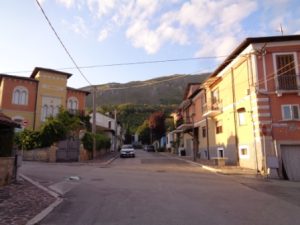
Scorcio di San Pelino vecchio. (Immagine personale)
Old San Pelino is the neighborhood where the medieval town once stood, completely destroyed by the 1915 earthquake. Over the course of the second half of the 20th century, this part of the town was gradually partially rebuilt, and today some families have returned to live here, but in many places you can still see the old, ruined houses that collapsed in the 1915 earthquake.

Scorcio di San Pelino nuovo. (Immagine personale)
San Pelino Nuovo, on the other hand, is the neighborhood of San Pelino that arose after the 1915 earthquake. The new, easily accessible town is crossed by the SS5 Via Tiburtina Valeria state road and the Rome-Pescara railway line. The town is also easily reached from the A25 motorway via the Avezzano or Celano exits.
– Description of San Pelino
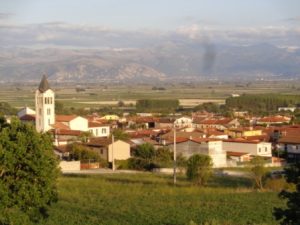
Scorcio di San Pelino oggi. (Immagine personale)
San Pelino, as cited in the town’s history, has demonstrated great resilience and adaptability to the times, managing to make the most of every situation that has arisen over the centuries.

Un giornale del 1915 racconta la tragedia del sisma nella Marsica
Even the Gioia dei Marsi earthquake of 1915, which caused a veritable cultural, as well as economic and social, earthquake due to its total destruction and high death toll, was experienced by the population of San Pelino at first with great mourning. But little by little, the town was able to react better than others, managing to make a virtue of necessity, first consolidating itself in the new village that arose after the earthquake and then gradually reclaiming the old town, which today is perfectly connected to San Pelino as a whole.
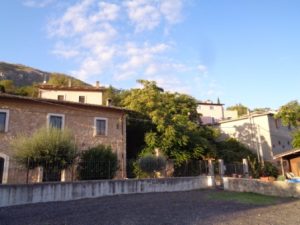
Scorcio di San Pelino vecchia. (Immagine personale)
San Pelino is today one of the most densely populated towns in the Marsica region, where the quality of life is very high and where a strong sense of community has remained alive, which has helped the town overcome the many trials that time brings, most recently the ordeal of the pandemic in 2020-22.
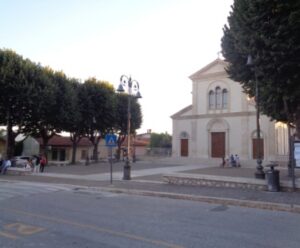
Scorcio di San Pelino oggi. (Immagine personale)
San Pelino is a beautiful town, both scenically and geographically. It overlooks the Fucino Plain, at the foot of the Tre Monti ridge, surrounded by woods, with Mount Velino as a backdrop. It’s definitely a picture-postcard town.
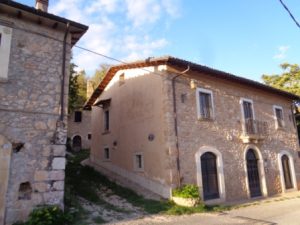
Scorcio del quartiere di San Pelino vecchio oggi. (Immagine personale)
But San Pelino is much more: it is a town with a strong community identity, tied to its ancient rural tradition. This is evident as you wander through the village streets, where you can see houses with vegetable gardens, old stone dwellings, and the friendliness of its inhabitants.
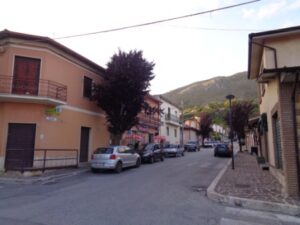
Scorcio di San Pelino oggi. (Immagine personale)
San Pelino’s strong sense of community is even more evident during popular and religious festivals, when the town comes alive with music and traditional cuisine, reminiscent of ancient customs.
Experientially, in addition to participating in these festivals, San Pelino can be used as a base for exploring the surrounding villages and, more generally, the Sirente-Velino Regional Park.

La Piana del Fucino vista oggi.
(Immagine da video YOUTUBE https://www.youtube.com/watch?v=UGuEKPiYOJo)
Here, hiking and photography enthusiasts can explore the area’s many scenic trails, navigating pristine woods and spectacular landscapes, with panoramic views of the Fucino Plain.
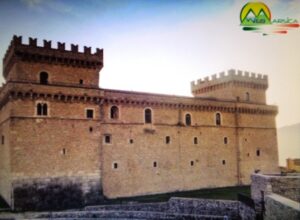
Il castello di Celano oggi. (Immagine personale)
The area offers a wealth of historical and monumental treasures, not only for the many medieval castles and towers scattered around San Pelino, but also for the many villages that, despite the serious deficiencies caused by the earthquake, have managed to restore ancient monuments and create new ones. This is true, for example, of Aielli, where the town has been revitalized in recent years with the launch of the Borgo Universo project.
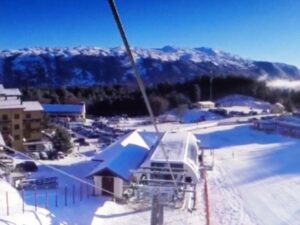
Impianti sciistici di Ovindoli oggi.
The presence of important ski resorts offers skiing opportunities during the winter months, while during the summer months there are numerous mountain sports to enjoy, such as cycling, rock climbing on the various cliffs, or even a simple horseback ride. In short, there’s something for everyone in San Pelino. Logistically, the town is easily reached via the Avezzano and Celano A25 motorway exits, and for those who prefer, also by train, getting off at the San Pelino – Paterno stop. From here, you can explore the village and its surrounding towns, starting with the capital and municipality of Avezzano.
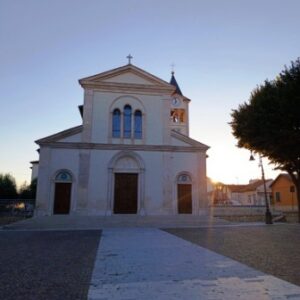
La chiesa di San Michele Arcangelo di San Pelino oggi. (Immagine personale)
When it comes to experiences to enjoy in San Pelino, food is a must. During popular festivals or in the area’s many restaurants, you can indulge in traditional Abruzzo cuisine, from homemade pasta to grilled meats, including mutton arrosticini, and local cheeses and cured meats, prepared according to ancient Marsa recipes. All of this, of course, is accompanied by local wines and liqueurs. San Pelino isn’t a mass tourism destination, but precisely for this reason, it appeals to those seeking authenticity, silence, nature, and the hidden charm of the small Marsa villages.
– Why come and live in San Pelino?
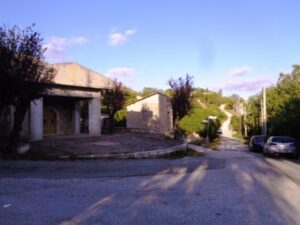
Scorcio del quartiere di San Pelino vecchio con in
bella mostra la chiesa della Madonna del Rosario. (Immagine personale)
Choosing to live in San Pelino means embracing a more tranquil and personal lifestyle in the heart of the Marsica region. San Pelino is an ideal village for those who want to escape the big cities without sacrificing essential services, thanks to its proximity to Avezzano.
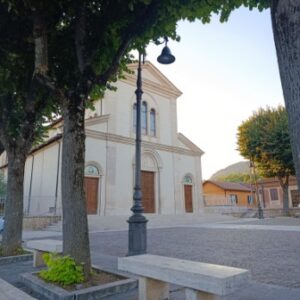
La chiesa di San Michele di San Pelino oggi. (Immagine personale)
One of the main reasons I recommend coming to live here is the quality of life: the village offers a peaceful environment, little traffic and surrounded by nature, with clean air. Climbing up the mountain offers a unique view of the Fucino Plain and the surrounding mountains.
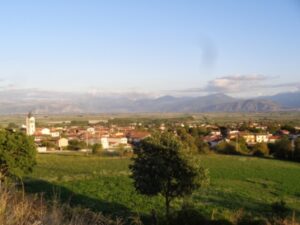
Panoramica su San Pelino e la piana del Fucino. (Immagine personale)
Here, the pace of life is slow and sustainable, ideal for young families, retirees, but also for those who work remotely and seek a better work-life balance. There are certainly plenty of advantages to living here, but you need a car, as although there are good connections between the village and the city, it’s impossible to get around by local buses alone.
The local community is another plus for San Pelino. In small towns like this in the Marsica region, there’s still a strong sense of belonging. Here, human relationships are more direct, people get to know each other easily, and the social climate is welcoming and supportive. This makes the town particularly suitable for those who want to raise their children in a safer and more human environment.
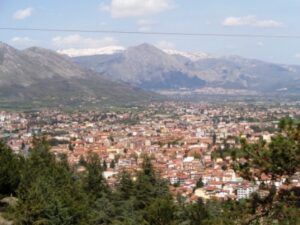
Avezzano oggi. (Immagine personale)
Economically, living here can be more affordable than in large cities. The cost of housing and daily living is much lower, allowing for larger spaces, gardens, and greater tranquility, with lower investments than in large urban centers. Furthermore, the geographic location is ideal for those seeking immediate contact with nature, as the town is very close to the Velino-Sirente Regional Park and the Monte Salviano Nature Reserve near Avezzano.
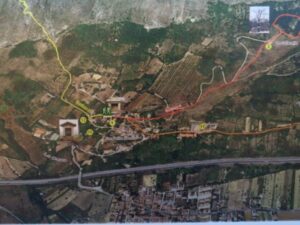
Carta con sentieri intorno a San Pelino.
There are excellent opportunities for hiking, cycling, and horseback riding here, as well as in San Pelino itself. Heading toward the Church of the Madonna del Rosario, many trails lead across the Tre Monti ridge, part of the Sirente-Velino mountain range. In general, San Pelino is close to numerous villages offering all kinds of sports, including winter activities like skiing or hiking during the rest of the year.

Trekking tra le montagne. (Immagine da https://www.agnata.com/nordic-walking/)
Finally, living in San Pelino means rediscovering ancient culinary traditions, among the best in Italy. The food in Marsica is excellent, and coming here certainly means enjoying a balanced diet based on the many local products, combining excellent prices with proven, certified quality. And if that weren’t enough, remember that San Pelino’s proximity to Avezzano and the highway allows anyone who isn’t satisfied with the local nightlife to find what they’re looking for within a short drive.
– But what do they eat in San Pelino?
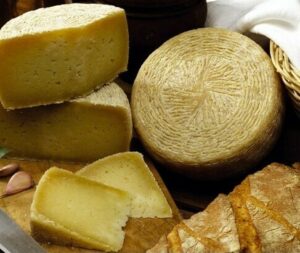
Formaggio Pecorino abruzzese.
In San Pelino, you can enjoy many of the most authentic dishes of the Marsano and Abruzzo traditions. This simple yet characterful cuisine is rooted in pastoral traditions, the mountains, and local produce.
As appetizers, we find typical mountain cheeses, such as pecorino and fresh ricotta, often sourced from the Velino-Sirente Regional Park. Then there are the traditional local cured meats and hams, with their intense flavor, which, along with the cheeses, often form the heart of the appetizers.
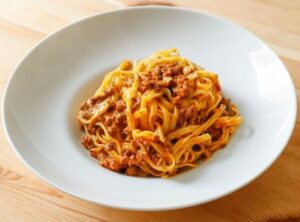
Fettuccine al ragù di cinghiale.
First courses include homemade pasta, such as maccheroni alla chitarra, fettuccine, and ravioli, prepared according to recipes passed down through the families of the Marsica region. Local sauces are often robust and flavorful, especially those made with lamb, pork, or game.
The tradition, present here in San Pelino, but also in Avezzano and the rest of the Marsica region, emphasizes authentic, seasonal ingredients such as legumes and Fucino potatoes, known for their excellent qualities thanks to the fertile Fucino plain, as well as local vegetables and grains, which accompany both the first courses in rustic soups and the second courses.
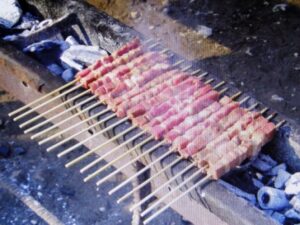
Arrosticini di Pecora della Marsica
First courses include homemade pasta, such as macaroni alla guitar, fettuccine, and ravioli, prepared according to recipes passed down through the families of the Marsica region. Local sauces are often robust and flavorful, especially those made with lamb, pork, or game.
The tradition, present here in San Pelino, but also in Avezzano and the rest of the Marsica region, emphasizes authentic, seasonal ingredients such as legumes and Fucino potatoes, known for their excellent qualities thanks to the fertile Fucino plain, as well as local vegetables and grains, which accompany both the first courses in rustic soups and the second courses.

Le pesche dolci marsicane
Among San Pelino’s typical desserts are the traditional ferratelle, sweet peaches, mostaccioli, pizzelle, and almond pastries, often prepared during religious holidays and family celebrations. Eating in San Pelino means experiencing authentic, convivial cuisine, deeply rooted in the Marsica region, where every dish tells the story of the rural and mountainous region of Marsica.